Being disabled can be financially challenging, especially when your income does not cover the extra costs that come with living with a disability. Many people need help with essential home adaptations, specialist equipment, or support to live safely and independently.
If you need financial support to renovate your home or to access mobility aids, there are a number of government grants for people with disabilities in the UK or charity grants for disabled people that could help make life easier.
What are disability grants?
Grants are one-off lump sums of money that you do not have to repay. They may come from the UK government, local authorities, or charities and include home improvement grants for disabled people.
Disability grants exist to help with the additional cost of living with a disability, including:
- Specialist equipment
- Home adaptations for disabled residents
- Household essentials
- Support with accessibility
Because these grants come from different organisations, eligibility can vary. Some require a needs assessment, while others may involve financial checks.
What is a Disabled Facilities Grant?
The Disabled Facilities Grant is a major government grant for the disabled and is one of the most widely accessed forms of disability grants for home improvement UK residents can apply for. It is available in England, Wales and Northern Ireland and supports home remodeling for disabled people who need major adaptations.
The disabled facilities grant can be used to help fund major home renovations, including:
- Widening doors
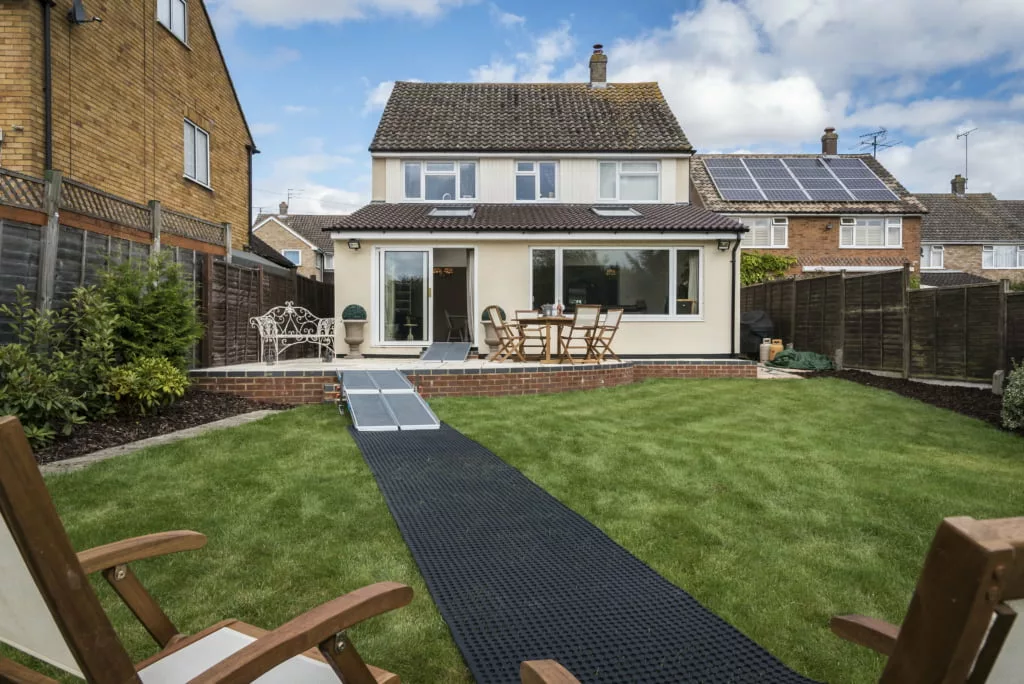
- Installing ramps
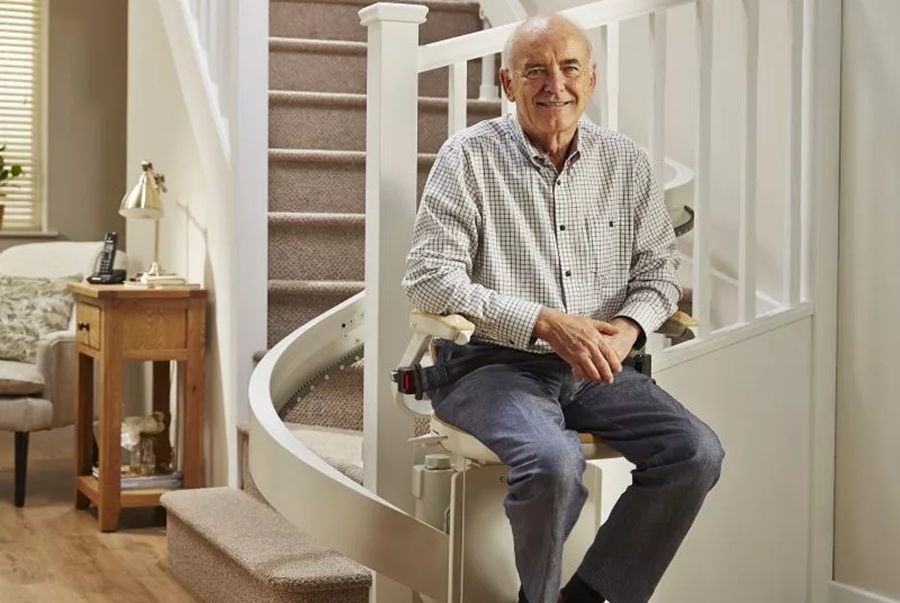
- Improving access to rooms e.g. installing stairlifts or creating a downstairs bathroom
- Upgrading heating systems
- Making heating or lighting controls easier to use
If you’re looking for UK disability grants for home improvement, this is usually the main source of funding.
Who can get a Disabled Facilities Grant?
Anyone who is disabled – or who lives with a disabled person – can apply for a Disabled Facilities Grant. This includes:
- Homeowners
- Private tenants (with landlord permission)
- Housing association tenants
- Landlords applying on behalf of disabled tenants
To qualify, the council must consider the work:
- Necessary
- Reasonable
- Recommended by an occupational therapist
- Practical for the property
Disabled Facilities Grant eligibility and criteria
You may qualify for a Disabled Facilities Grant if:
- You are disabled, or if you live with someone who is.
- You (or the disabled person you live with) intend to stay in the property for at least five years
- The adaptations are essential for safe and independent living
- The proposed work is considered reasonable by the council
- You meet the financial assessment criteria (for adult applicants)
While adults undergo means-testing, disabled children under 17 do not.
An occupational therapist will typically assess how your disability impacts your daily life and identify the necessary adjustments needed to make your home more accessible.
How much can you get from a Disabled Facilities Grant?
The maximum amount you can get for a Disabled Facilities Grant depends on where in the UK you live. Costs for 2025/26 are:
- England: £30,000
- Wales: £36,000
- Northern Ireland: £35,000
The Disabled Facilities Grant isn’t available in Scotland, but there are alternative disability grants Scotland residents can access through local authorities.
How to apply for Disability Grant
If you live in England or Wales, you can request a Disabled Facilities Grant application form through your local council.
In Northern Ireland, applications are handled by the Housing Executive.
Scotland uses a different system focused on independent living and housing adaptations, rather than the Disabled Facilities Grant.
Grants for minor adaptations and equipment in the home
If you need equipment to support your daily life, rather than major building work, your local council may provide free or low-cost equipment to help you live more independently. These might include:
- Grab rails
- Lever taps for sinks
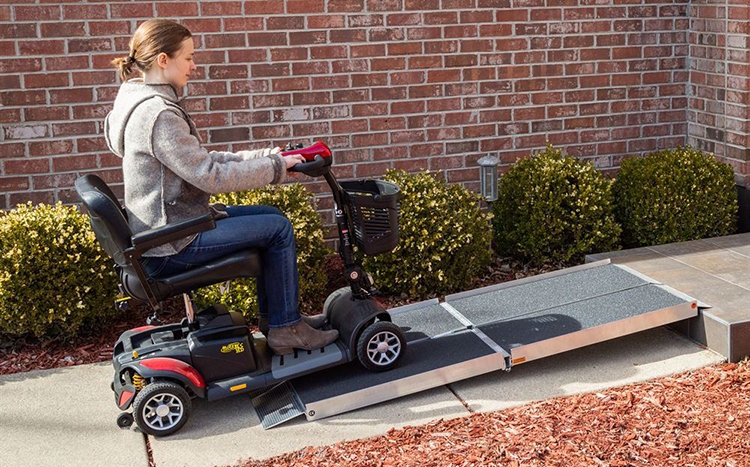
- Small ramps
- Shower chairs
- Raised toilet seats
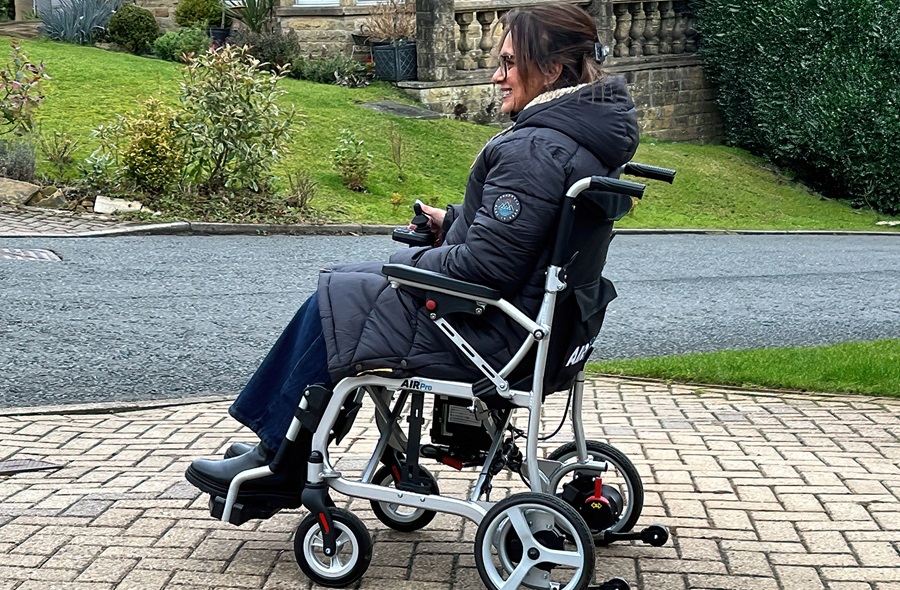
Many people receive grants for disabled bathrooms, grants for wheelchairs, stair lift grants, or disability grants for furniture through this process.
How to get a needs assessment
A needs assessment is the starting point for accessing many types of disability support. These assessments are free and available to people who are disabled, elderly, or have a long-term health condition.
During the assessment, a professional from social services will evaluate the support that you require — including equipment or adaptations. This can also identify if you qualify for a Disabled Facilities Grant or other funding.
You can request a care needs assessment via GOV.UK.
Grants from charities
If you’re unable to secure funding from the government or local council, you may be eligible for charity grants for disabled people. These funds often help with:
- Specialist wheelchairs
- Equipment not provided by the council
- Home adaptations
- Energy bills
- Education or training fees
- Short breaks or support similar to disability living allowance holiday grants
These charitable funds give grants to people who meet their criteria. This could be for something that was highlighted in your needs assessment, but was not covered by the council.
There are a number of charitable grant organisations that you may be able to reach out to:
How to apply for a charity grant
Each charity will have its own eligibility criteria, so first, check to see what they will fund, the size of grants, and their assessment process.
When you apply for a charity grant, you will need to include as much information as possible in your application, such as:
- Your diagnosis and how it affects your daily life
- What the grant will fund
- Recommendation from professionals as to why and how they funding will help you
- Evidence that statutory funding has been denied
- The amount required
- Any personal contribution or family contribution that is available
Common questions about Disability Grants
Q: Can I get a grant for disability equipment?
A: Yes – Local councils, charities and government schemes all provide funding for disability equipment depending on your needs.
Q: Can I get a grant for home improvements on disability?
A: Yes – the Disabled Facilities Grant is specifically designed for home improvements and can be applied for through your council
Q: Is there funding available for mobility scooters?
A: Yes – read our guide ‘Funding and grants available for mobility scooters’
Final thoughts
Whether you’re looking for a disabled facilities grant, disability living grant, or broader disability grants for home improvements, there is financial help available across the UK. Understanding your options is the first step to creating a safer, accessible and comfortable home that supports your independence.
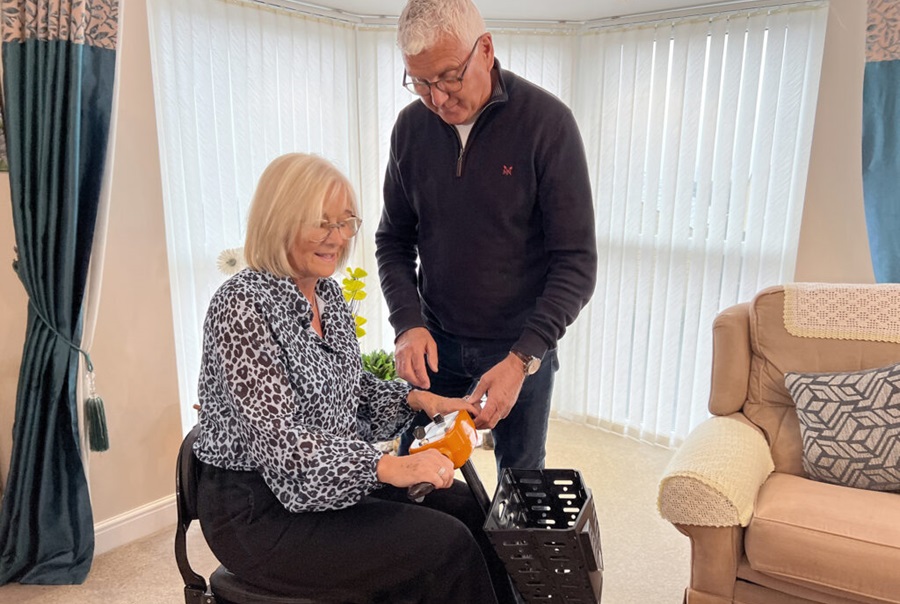
If you’re looking for mobility aids for your home, Monarch Mobility offers a range of equipment, including Rice n Recline Chairs, ramps, hoists, and lifts—as well as mobility scooters and electric wheelchairs. Contact the team at Monarch Mobility for more information