



On 26th June 2026, Monarch Mobility proudly celebrates 25 years in business!
This milestone gives us the chance to recognise how far we’ve come, what we’ve achieved, and – most importantly – the people who have been part of the journey.
What began as a small family-run operation with a handful of products and a dedicated team, has grown into a nationally recognised mobility specialist.
When Monarch Mobility was founded in 2001, the vision was simple: to help people live more independent lives through better mobility solutions.
At the time, the mobility industry lacked innovation and customer focus. This created an opportunity to deliver products and services to make a genuine difference to people’s everyday lives.
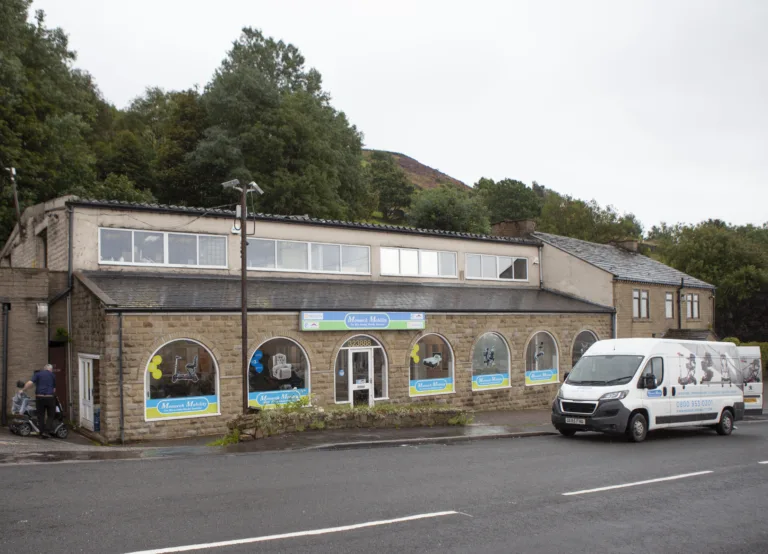
Like any business, our journey has not been without its challenges.
Over the past 25 years, we’ve navigated economic uncertainty, changing customer expectations, global supply chain disruptions, and the impact of COVID-19. Each challenge has strengthened our resilience and reinforced our commitment to delivering outstanding products and customer service.
Today, Monarch Mobility is trusted by customers across the UK and beyond, supported by a network of valued retail partners, and recognised for pushing the boundaries of lightweight mobility innovation.
As our Managing Director, Martin Sampson, reflects: “Looking back, I feel incredibly proud of what has been achieved. What began as a small family business has grown into a trusted mobility brand serving customers across multiple continents. None of this would have been possible without the support of our customers, trade partners, suppliers, and, most importantly, our fantastic team.”

We feel incredibly privileged to have supported thousands of customers on their mobility journeys. Along the way, we’ve expanded our team, built lasting partnerships throughout the mobility sector, and introduced innovative products designed to challenge traditional thinking and help people maintain their independence.
And now, we’re looking firmly towards the future.
2026 marks the beginning of an exciting new chapter for Monarch Mobility. Following the successful launch of Monarch Mobility USA earlier this year, we are continuing our international expansion and preparing for our official European launch at REHACARE 2026.
As we grow, we’re also excited to strengthen existing partnerships and build new relationships with trusted retail and trade partners who share our commitment to delivering exceptional mobility solutions and outstanding customer care.
As we celebrate our 25th anniversary, we’d like to say a heartfelt thank you to everyone who has been part of our story – our customers, retail partners, suppliers, and colleagues past and present.
Your support has helped shape Monarch Mobility into the business it is today.
Here’s to the next 25 years!
Mobility scooters are essential for many people with limited mobility, offering independence and confidence when getting around.
But for many, a brand new mobility scooter is not an affordable option. That’s when a second-hand mobility scooter offers the perfect compromise – providing the style, features, and functionality of a new model but at a much lower price.
However, before buying a used mobility scooter, it’s important to ensure it suits your personal needs and that you undertake essential checks.
For many buyers, a used mobility scooter offers the perfect balance of independence and affordability, but there are some important considerations to keep in mind.
Let’s take a look at the pros and cons in a bit more detail:
A second-hand mobility scooter is more affordable, making it a good option for people on a budget or those trying a mobility scooter for the first time. As depreciation has already occurred, you also won’t lose as much value if you decide to sell it later.
Reusing a scooter means fewer materials and components go to waste, helping reduce impact on the environment.
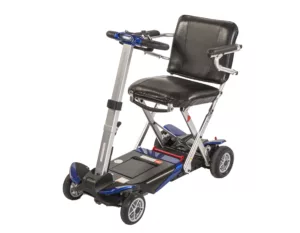
While buying a second-hand mobility scooter can be a great way to save money, there are some important considerations to keep in mind.
Because the scooter has been previously used, it may show signs of wear and tear, such as worn tyres or a weakened battery. Older models may also lack newer technology and safety features, which could lead to higher maintenance costs or reduced reliability over time. In addition, used mobility scooters often come with limited or no warranty, meaning you may be responsible for any repairs or replacements.
Before you buy your used mobility scooter, it’s important to take a step back and make sure you know exactly what you’re looking for.
Before you begin browsing, consider what you need from a scooter, such as:
Look online, in local adverts, and through reputable dealers. Create a shortlist of mobility scooters that meet your needs and always opt for sellers with strong reviews and excellent after-sales support.
There are plenty of things to look out for when viewing a second-hand mobility scooter. If you’re unsure what to check when buying a used scooter, take a look at our helpful checklist below.
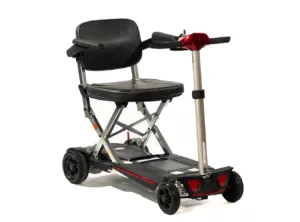
Just as you would test drive a car, it’s important to test drive a mobility scooter. While you’re out, think about:
Don’t be afraid to ask key questions about the scooter, such as:
A second-hand mobility scooter can vary considerably based on condition, age, model, and features, but can range from £700 to £2,000.
It’s important to compare the condition and prices carefully before making a purchase.
To register a second-hand Class 3 mobility scooter in the UK, you need to complete a V55/5 form. However, your dealer may do this on your behalf.
You do not need to register a Class 2 mobility scooter.
At Monarch Mobility, we offer a wide selection of high-quality pre-loved mobility scooters, ranging from like-new ex-display models to fully reconditioned mobility scooters.
We aim to offer affordable options that also offer reliability and performance. Plus our used mobility scooters come with a 3-month warranty.
Speak to our friendly team today to learn more or arrange a demonstration. We’ll help you find the perfect mobility scooter to match your needs.
Being disabled can be financially challenging, especially when your income does not cover the extra costs that come with living with a disability. Many people need help with essential home adaptations, specialist equipment, or support to live safely and independently.
If you need financial support to renovate your home or to access mobility aids, there are a number of government grants for people with disabilities in the UK or charity grants for disabled people that could help make life easier.
Whether you’re looking for grants for wheelchairs, home renovations, stair lift grants, or simply trying to understand what grants are available for disabled individuals, this guide covers everything you need to know – including eligibility, criteria and how to apply.
Grants are one-off lump sums of money that you do not have to repay. They may come from the UK government, local authorities, or charities and include home improvement grants for disabled people.
Disability grants exist to help with the additional cost of living with a disability, including:
Because these grants come from different organisations, eligibility can vary. Some require a needs assessment, while others may involve financial checks.
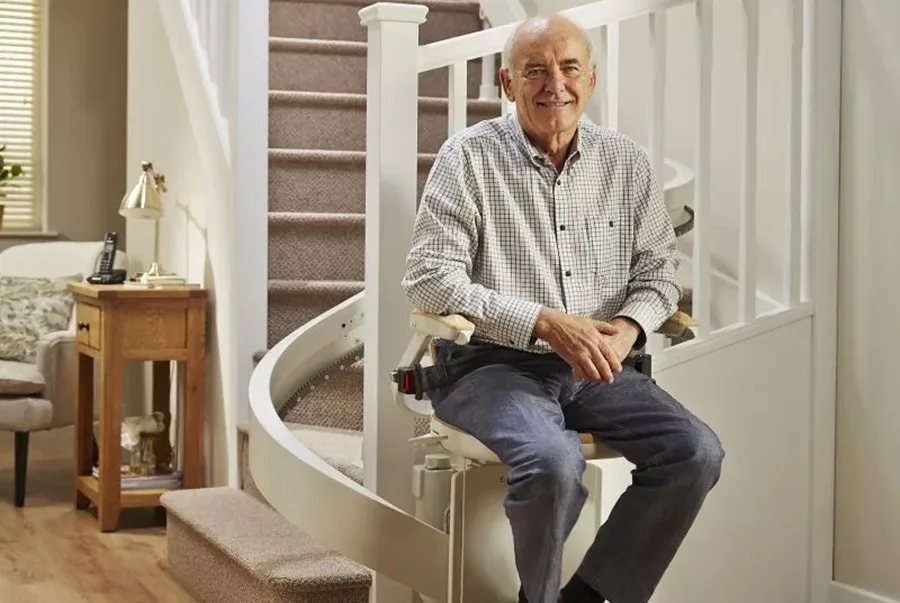
The Disabled Facilities Grant is a major government grant for the disabled and is one of the most widely accessed forms of disability grants for home improvement UK residents can apply for. It is available in England, Wales and Northern Ireland and supports home remodeling for disabled people who need major adaptations.
The disabled facilities grant can be used to help fund major home renovations, including:
If you’re looking for UK disability grants for home improvement, this is usually the main source of funding.
Anyone who is disabled – or who lives with a disabled person – can apply for a Disabled Facilities Grant. This includes:
To qualify, the council must consider the work:
You may qualify for a Disabled Facilities Grant if:
While adults undergo means-testing, disabled children under 17 do not.
An occupational therapist will typically assess how your disability impacts your daily life and identify the necessary adjustments needed to make your home more accessible.
The maximum amount you can get for a Disabled Facilities Grant depends on where in the UK you live. Costs for 2025/26 are:
The Disabled Facilities Grant isn’t available in Scotland, but there are alternative disability grants Scotland residents can access through local authorities.
If you live in England or Wales, you can request a Disabled Facilities Grant application form through your local council.
In Northern Ireland, applications are handled by the Housing Executive.
Scotland uses a different system focused on independent living and housing adaptations, rather than the Disabled Facilities Grant.
If you need equipment to support your daily life, rather than major building work, your local council may provide free or low-cost equipment to help you live more independently. These might include:
Many people receive grants for disabled bathrooms, grants for wheelchairs, stair lift grants, or disability grants for furniture through this process.
A needs assessment is the starting point for accessing many types of disability support. These assessments are free and available to people who are disabled, elderly, or have a long-term health condition.
During the assessment, a professional from social services will evaluate the support that you require — including equipment or adaptations. This can also identify if you qualify for a Disabled Facilities Grant or other funding.
You can request a care needs assessment via GOV.UK.
If you’re unable to secure funding from the government or local council, you may be eligible for charity grants for disabled people. These funds often help with:
These charitable funds give grants to people who meet their criteria. This could be for something that was highlighted in your needs assessment, but was not covered by the council.
There are a number of charitable grant organisations that you may be able to reach out to:
Each charity will have its own eligibility criteria, so first, check to see what they will fund, the size of grants, and their assessment process.
When you apply for a charity grant, you will need to include as much information as possible in your application, such as:
Q: Can I get a grant for disability equipment?
A: Yes – Local councils, charities and government schemes all provide funding for disability equipment depending on your needs.
Q: Can I get a grant for home improvements on disability?
A: Yes – the Disabled Facilities Grant is specifically designed for home improvements and can be applied for through your council
Q: Is there funding available for mobility scooters?
A: Yes – read our guide ‘Funding and grants available for mobility scooters’
Whether you’re looking for a disabled facilities grant, disability living grant, or broader disability grants for home improvements, there is financial help available across the UK. Understanding your options is the first step to creating a safer, accessible and comfortable home that supports your independence.
If you’re looking for mobility aids for your home, Monarch Mobility offers a range of equipment, including Rice n Recline Chairs, ramps, hoists, and lifts—as well as mobility scooters and electric wheelchairs. Contact the team at Monarch Mobility for more information
Mobility and independence go hand in hand and the right disability ramp can make all the difference. Whether you need to enter your home, navigate a small step, or load your wheelchair or mobility scooter into a vehicle, a well-chosen ramp can improve safety, comfort and accessibility.
At Monarch Mobility, we offer a wide range of ramps for disabled access , from compact threshold ramps for doorways to strong, foldable ramps for vehicles and travel.
Here’s everything you need to know before buying a ramp for disabled access, including ramp types, gradients, materials, and safety features.
Before selecting your new disability ramp, here are some questions to consider about how and where you’ll use it:
Different ramps are designed for different purposes, from wheelchair ramps for homes to mobility scooter ramps for cars, so it’s important to choose the right type for your needs.
Before purchasing a wheelchair ramp or mobility scooter ramp, carefully measure the area where it will be installed.
Consider both the width needed to accommodate your wheelchair or mobility scooter, as well as the length required to achieve the correct gradient for safe use.
Make sure there’s enough clearance at the top and bottom of the ramp, whether it’s for a doorway, threshold, vehicle, or stairs, to ensure smooth, unobstructed access.
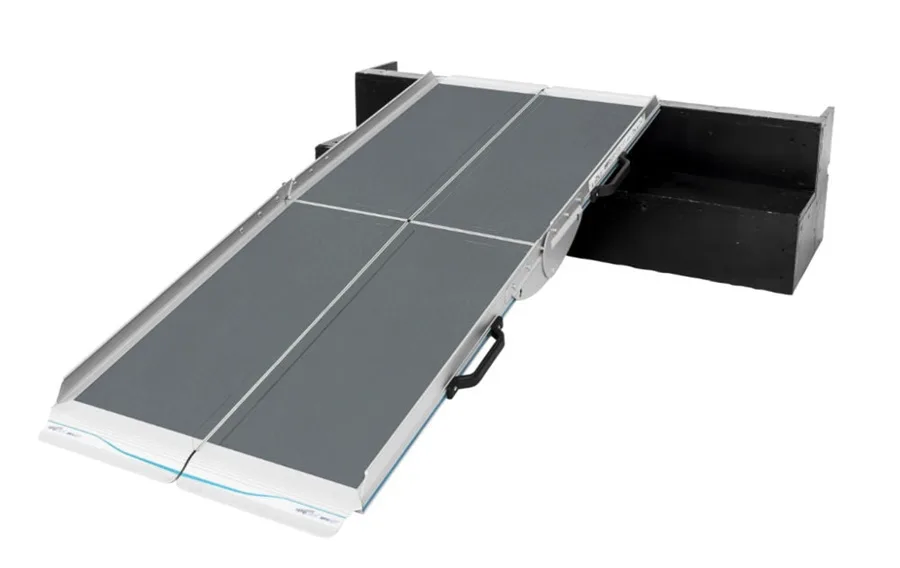
Consider who will be positioning and moving the ramp. If you or a carer will need to lift or carry it, a lightweight foldable disabled ramp or portable mobility scooter ramp with built-in carry handles is ideal.
These ramps are easier to manoeuvre, set up, and store, making daily use safer and more convenient. Choosing a ramp with the right balance of portability and strength ensures that it can be moved quickly without compromising safety or stability.
Consider how frequently you’ll need to use your ramp, as this will determine the style and material it is made from.
Storage is an important factor when choosing your ramp, especially if space is limited. A foldable ramp or a portable ramp can be folded away compactly and stored in a cupboard, hallway, or car boot when not in use.
If your ramp will be staying outdoors, choose a durable aluminium ramp designed to withstand all weather conditions.
The material your mobility ramp is made from plays a big role in how easy it is to use, how long it will last, and where it can be placed.
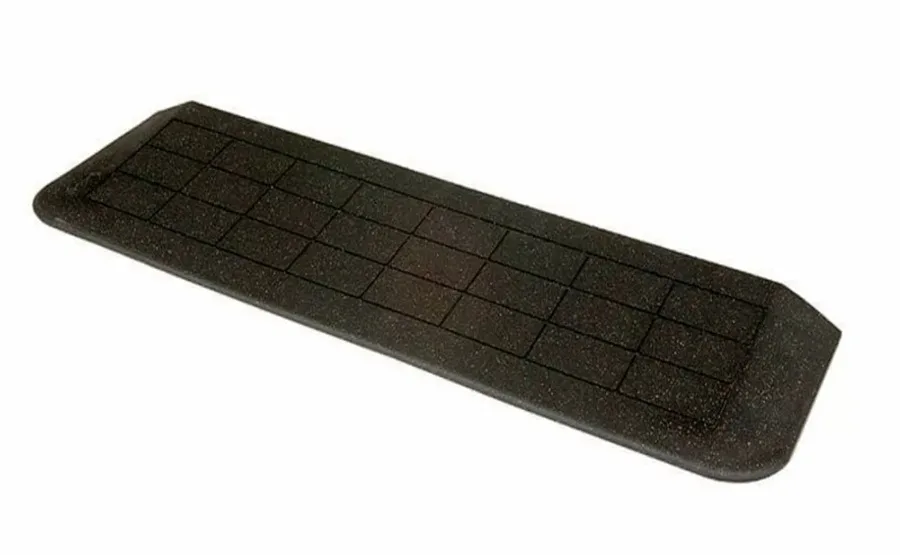
Safety is key when choosing any ramp for disabled access. The right features will give you confidence and stability, whether you’re using your ramp indoors, outdoors, or for vehicle access.
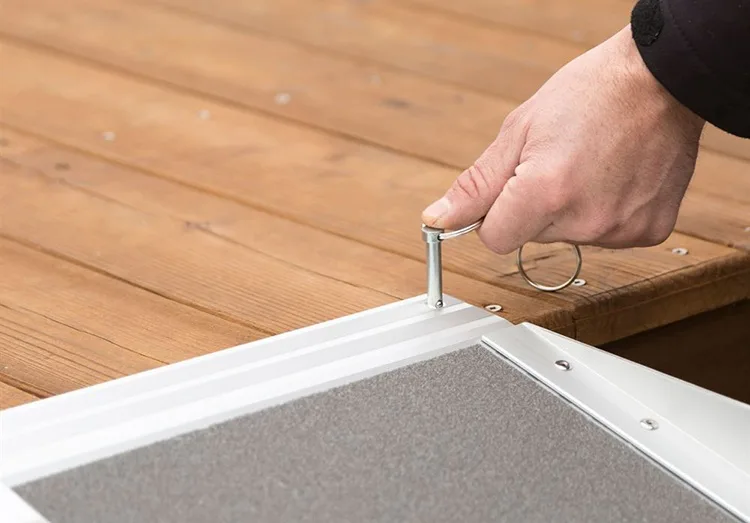
The right combination of size, gradient, and weight ensures your ramp is easy to use, fits your space, and supports your mobility aid reliably.
Getting the right disabled ramp gradient ensures safety and ease of use.
There are lots of ramps available in a range of sizes to suit different doorways, thresholds, and vehicles.
Always make sure the ramp is wide enough for your mobility aid yet narrow enough to fit through doorways or entrances.
Check the dimensions carefully before you order to ensure a safe and comfortable fit.
Weight is one of the most crucial factors to consider before purchasing a ramp, as it impacts both safety and usability. Always look at these two key weight ratings to make sure your ramp meets your needs:
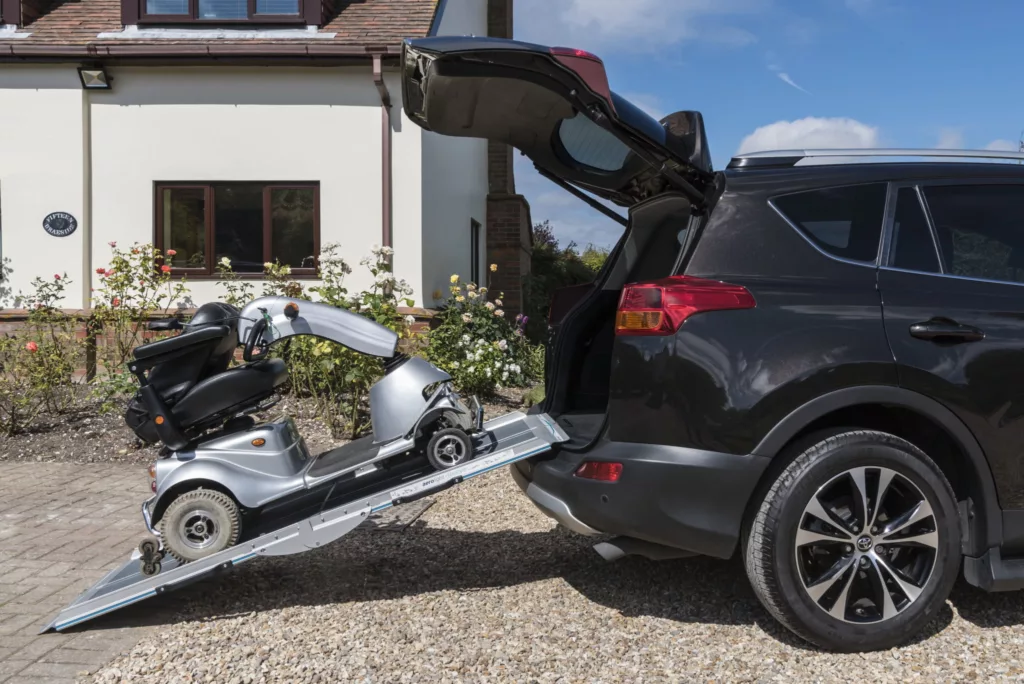
A quality ramp can transform your daily independence, giving you freedom to move safely and confidently.
Whether you need a door ramp for a mobility scooter, a ramp for stairs for a wheelchair, or a folding ramp for the car, Monarch Mobility has the perfect solution.
Ideal for small steps, thresholds, and doorways, threshold ramps make indoor and outdoor transitions smooth and easy.
If you need a larger mobility scooter ramp for a car or set of steps, a folding or portable ramp is a great choice.
Explore our full range of disability ramps today at Monarch Mobility — and find the ideal ramp to make your home, car, or workplace more accessible.
When you’re looking to buy a mobility scooter in the UK, it’s essential to understand the laws and regulations that apply. While mobility scooters offer independence and freedom for people with limited mobility, they are still considered vehicles and are therefore subject to certain legal requirements.
In this article, we’ll cover everything you need to know about mobility scooters and the law — including age restrictions, registration, insurance, road use, and parking rules.
Before you begin, it’s worth noting the difference between class 2 and class 3 mobility scooters, as mobility scooter laws and usage rules vary according to the class of scooter.
In the UK, you can only drive a mobility scooter if you have a physical disability or limited mobility because of an injury or medical condition.
In addition to this, there are specific eyesight requirements for mobility scooter users: If you own a class 2 or 3 mobility scooter, you must be able to read a car’s number plate from 12.3 metres away. If your mobility scooter is ‘not in a class’, you must be able to read a number plate from a distance of 20 metres. You can be prosecuted if you have an accident because of poor eyesight, so it’s important to ensure your vision meets the legal standard.
Mobility scooter age limits vary depending on the class of your scooter:
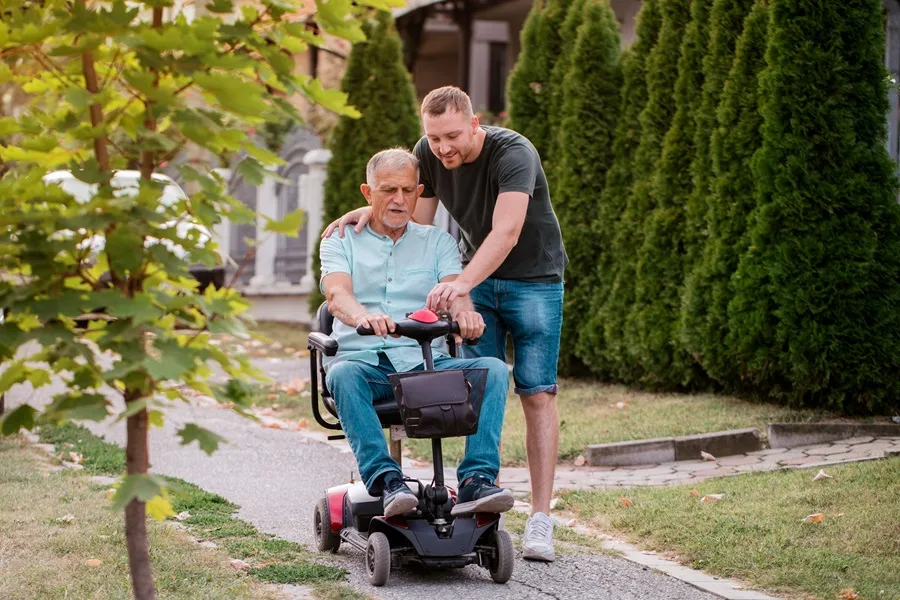
No, mobility scooter laws don’t require you to take a test to drive a mobility scooter.
However, we recommend taking your scooter somewhere quiet before your first outing to familiarise yourself with the controls and how your scooter handles. Check out our tips for first time mobility scooter users.
No, you don’t need a driving licence to legally operate a mobility scooter in the UK, regardless of the class.
They are exempt from the UK driving licence system because they are classed as invalid carriages under the law.
All mobility scooters are exempt from road tax. However, class 3 scooters must be registered with the DVLA before they can be used on public roads, in accordance with current mobility scooter regulations.
Before taking your class 3 mobility scooter on the road, it is essential that you register it with the DVLA to ensure it complies with UK road safety laws. Find out more about how to register your mobility scooter with the DVLA.
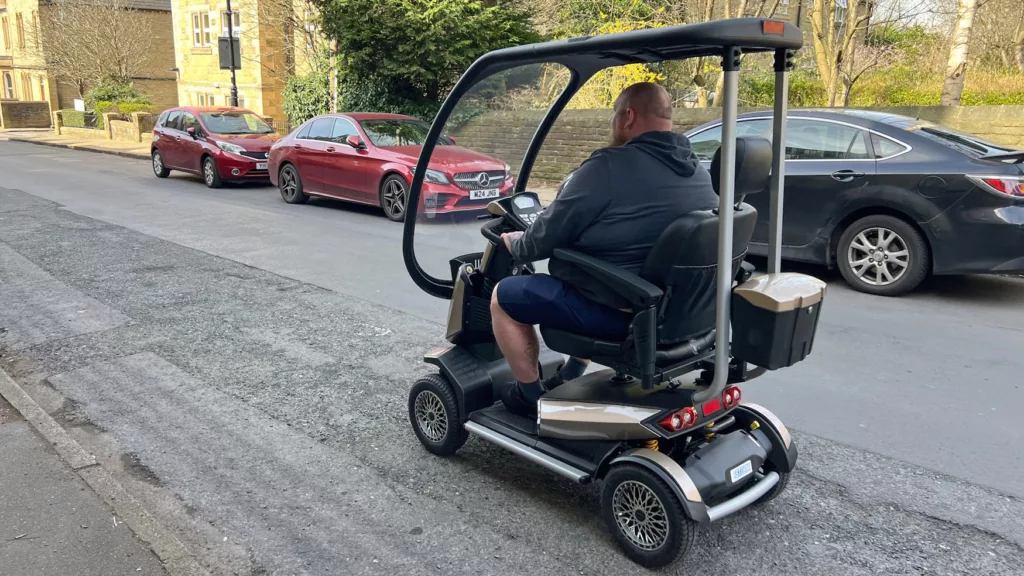
Whilst you don’t legally need to get insurance for a mobility scooter, it is strongly recommended to cover you in the event of an accident, mechanical failure, theft or breakdown. Learn more about the benefits of insuring your mobility scooter.
The mobility scooter speed limit and the law on mobility scooters when it comes to road or pavement use, vary depending on the class.
Read our article Mobility Scooters on the Road: The Rules for more details.
You can legally park your mobility scooter anywhere that it doesn’t cause an obstruction. When you park, avoid blocking pavements, driveways, cycle paths, or dropped kerbs.
Many shops and supermarkets have designated mobility scooter parking bays located close to their entrances.
Note: You cannot use a blue badge when parking on your mobility scooter, as they only apply to cars and other motor vehicles.
Yes, class 3 mobility scooters must be equipped with lights, indicators and a rear view mirror to ensure they are safe and legal on the roads.
Although not legally required, it is recommended that you wear a helmet, hi-vis, and other protective gear when riding a scooter, especially on roads.
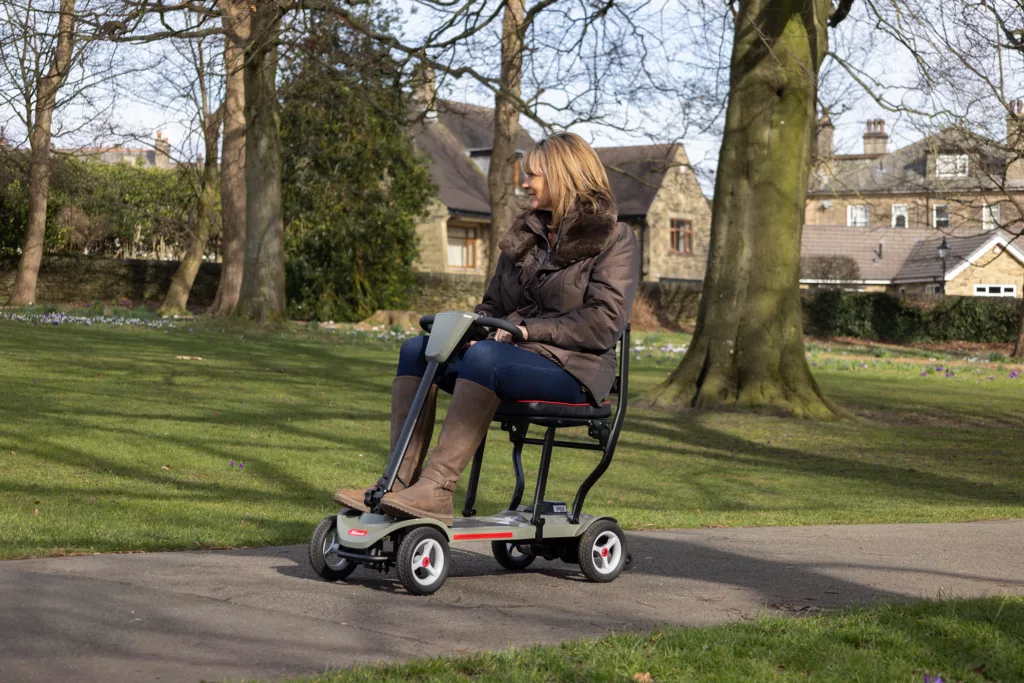
Choosing the right scooter means understanding the features you need as well as the mobility scooter laws that apply to different classes.
Whether you need a compact class 2 scooter for pavement use or a more powerful class 3 model for journeys on the road, Monarch has a wide range of mobility scooters to suit every lifestyle and budget.
Contact our expert team for further details or to arrange a free home demo.
The Disabled Parking Blue Badge Scheme offers vital parking concessions for people with severe mobility issues, enabling them to park closer to their destination. This article explores the benefits, Blue Badge eligibility criteria, the application process, and rules for parking.
We’ll also look at how folding mobility scooters can enhance your mobility experience once you’ve parked your vehicle!
The Blue Badge scheme is a national initiative designed to support those with significant mobility challenges. It allows easier access to shops, services, and community facilities by granting parking concessions.
The scheme operates differently in England, Northern Ireland, Scotland and Wales. This guide focuses on the rules in England. However, Blue Badge parking regulations can differ by council, so it’s best to check your local council website for any specific queries you may have or to check the availability of disabled parking spaces in their car parks
You may be wondering: What benefits do Blue Badge holders get?
Being a Blue Badge holder provides more than just access to convenient parking. Blue Badge holder benefits also include:
However, in private car parks (e.g. NCP and hospitals), Blue Badge holders may still have to pay – always check local signage.
To get the most from your parking access, many Blue Badge users choose to keep a lightweight folding mobility scooter in the boot of their car. These scooters allow you to easily travel short distances after parking – ideal for shopping trips, medical appointments, or days out.
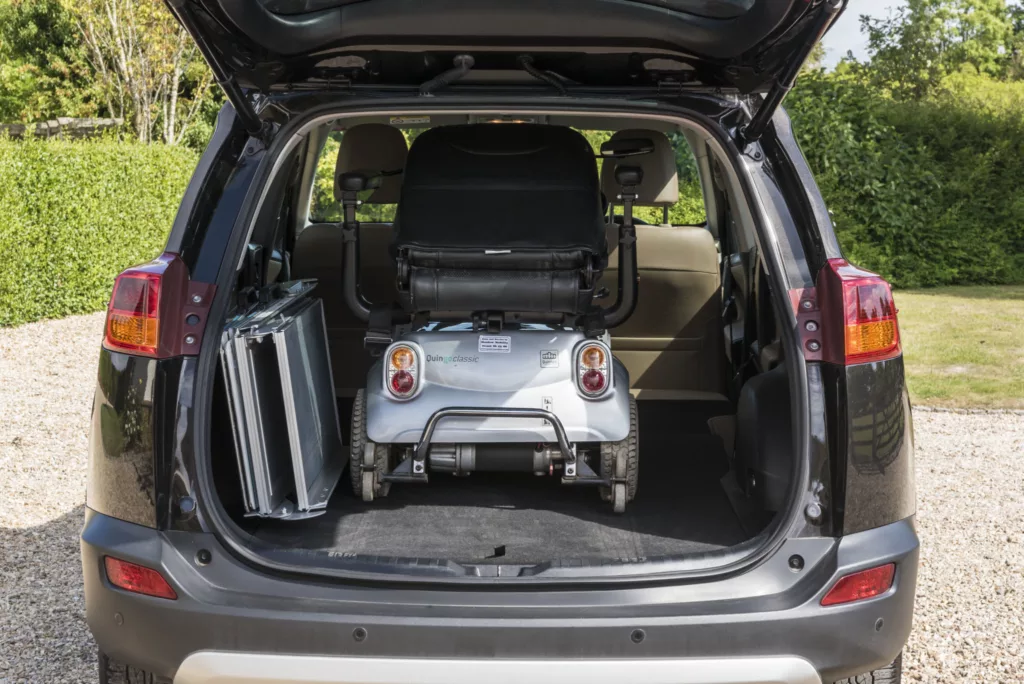
The Blue Badge Eligibility Criteria are based on your mobility, medical conditions, and safety needs.
You automatically qualify for a Blue Badge if you:
You may also qualify if you:
*Visit GOV.UK Blue Badge Guidance for a full and detailed breakdown of the Blue Badge eligibility criteria.
So, how do you apply for a disabled parking permit? It’s simple – and you can apply for a disabled badge online.
A Blue Badge costs £10 in England in Northern Ireland, £20 in Scotland, and is free in Wales. The badge typically lasts for three years, after which you will need to reapply for a new one.
You will need to provide:
Online Blue Badge application can be completed on gov.uk
If you have lost your disabled badge, you can apply for a new one at on the government website.
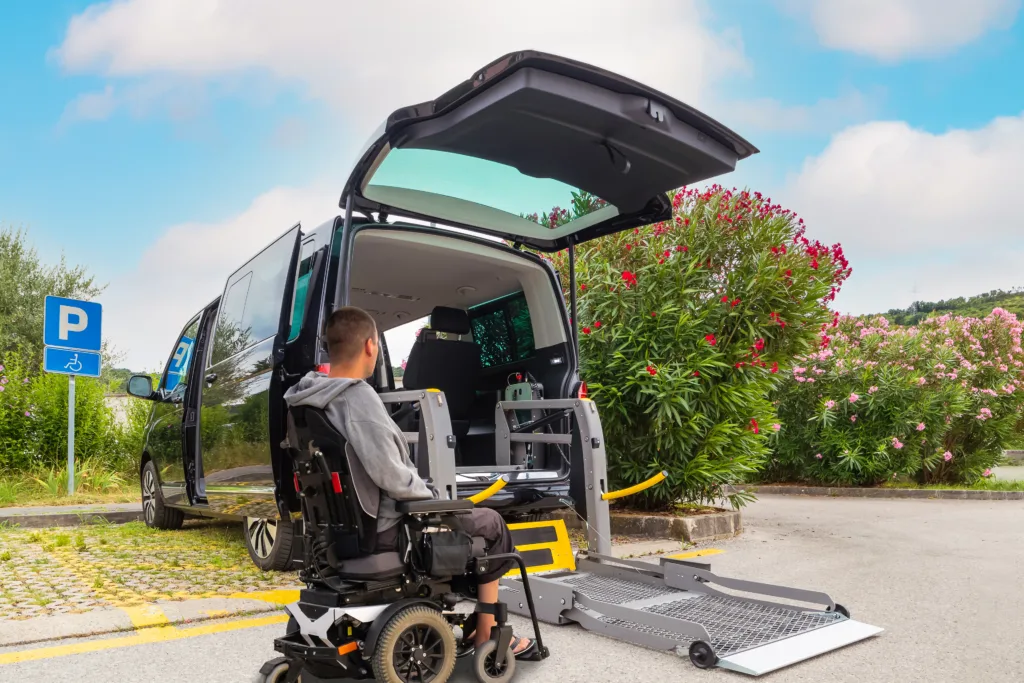
Knowing the disabled Blue Badge parking rules helps prevent fines and ensures the scheme benefits those who need it most.
Remember: The badge is for your use only and can only be used when you are the driver, a passenger, or if someone is picking you up or dropping you off. You are not allowed to give your badge to someone running errands on your behalf.
Misuse of your Blue Badge can lead to a £1000 fine and possible confiscation.
Discover other UK laws relating to mobility scooters.
So, where can Blue Badge holders park? When you display your valid badge, Blue Badge holders should be able to park for free in the following places:
You are not allowed to park in the following places:
Yes – in most areas, you can park in resident permit bays without needing a resident permit, as long as your valid Blue Badge is displayed.
Blue Badge holders don’t usually need to pay for on-street parking. However, you may need to pay in private or NCP car parks. Always check the signs.
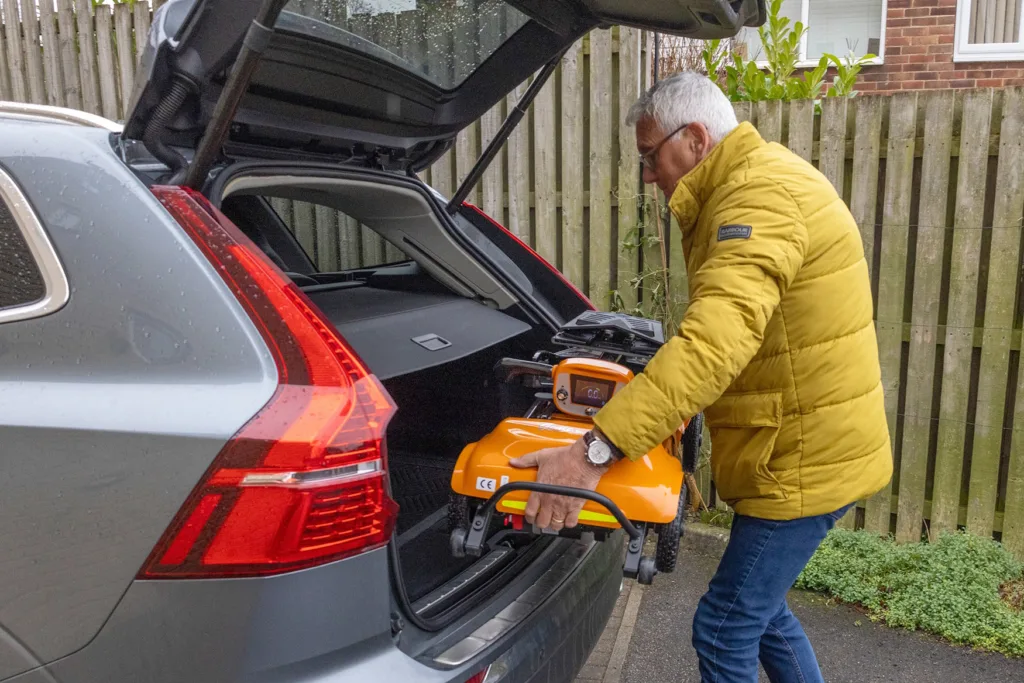
Once you’ve parked, a foldable mobility scooter can help you travel comfortably and independently around your destination.
Lightweight and compact, these scooters are ideal for navigating shops and supermarkets; visiting friends and family; dining out or visiting attractions.
Many foldable scooters can be manually collapsed or folded remotely, making them easy to store in your car boot. Find out more about Monarch Mobility’s folding mobility scooters.
The Disabled Parking Blue Badge Scheme offers significant benefits to those who need it most. Whether you’re applying for the first time or need to renew, understanding your rights, rules, and responsibilities is crucial. When used correctly, your Blue Badge can be a vital lifeline to independence.
If you need advice on finding the perfect mobility scooter to fit into your car, contact the team at Monarch Mobility who will be happy to arrange a free home demo!
Monarch Mobility recently caught up with Katie Toft – Paralympian and nine-time Paracycling World Champion – to hear how she’s getting on with her new Genie Ultralight mobility scooter.
As a busy, active and social person, Katie values her independence. She explained how having her own mobility scooter means she can now get out and about without relying on others for support: “Having the scooter means that I can do things on my own without risking getting too tired or falling over”.
One of the first things Katie noticed about the Genie Ultralight was its bold Union Flag design – the perfect match for her incredible spotting achievements! She also highlighted how comfortable the scooter was – especially the compact handles, which she found easy to hold.
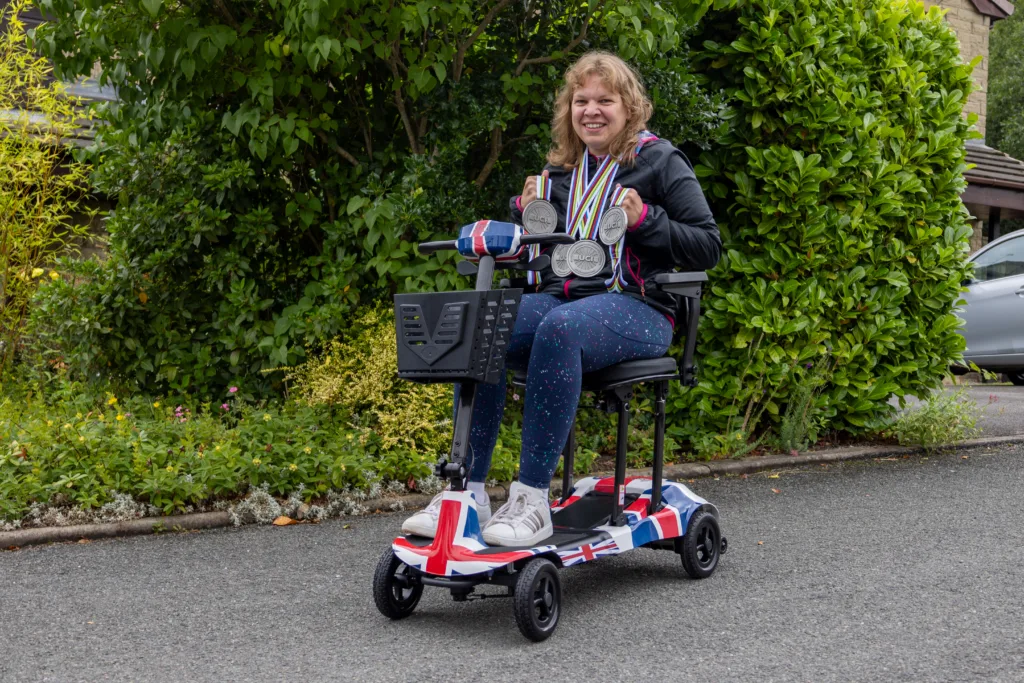
And how did she rate her first ride on the mobility scooter? In her words: “Brilliant”. Katie was particularly impressed that the Genie Ultralight managed to climb the hill outside her home with ease – something other scooters had struggled to do.
The new scooter has made a big difference to Katie’s daily life. As well as enabling her to get out more with her family, it’s made her race days less stressful and complicated – incredibly important when you need to focus on winning more medals!
Plus, thanks to its foldable and lightweight design (just 12kg), she’s finding it easy to fold down and pack into the car – giving her true flexibility wherever she goes.
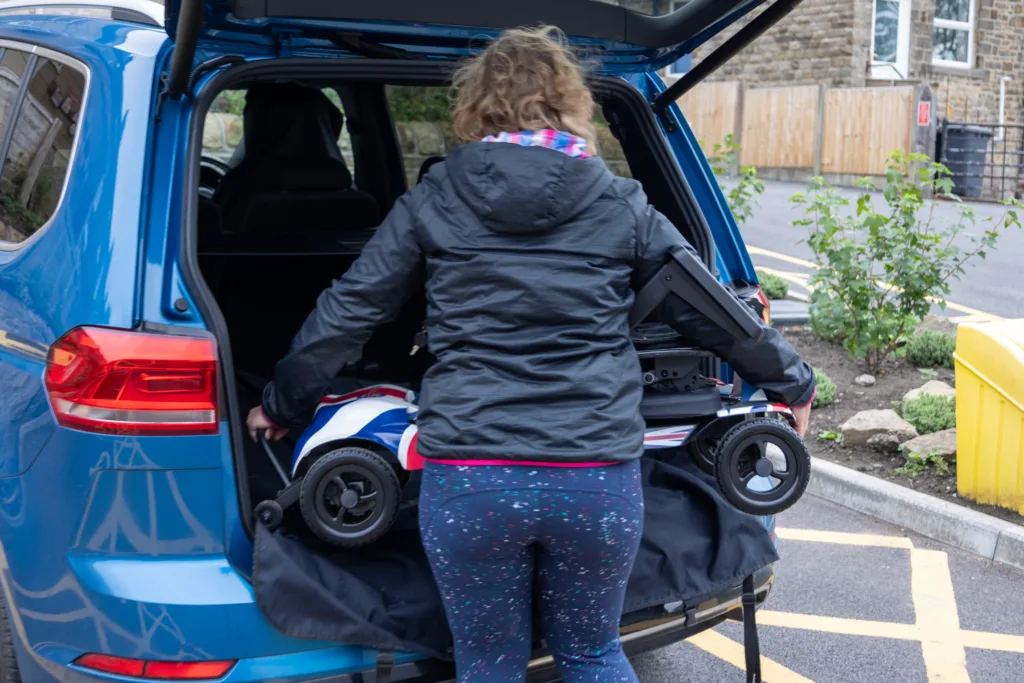
Katie offered some encouraging words for anyone unsure about using a mobility aid: “If it’s going to help you, then use one. Try not to worry about what other people think,” she said.
Her advice is simple: the right mobility aid can give you the freedom and confidence to enjoy life to the fullest.
At Monarch Mobility, we’re proud to be the UK’s favourite mobility specialist.
Our friendly team is on hand to help you find the perfect mobility scooter to suit your lifestyle! And, if you’re a veteran or active military personnel, you can get £100 off your chosen scooter!
Rise & recline chairs are an ideal choice for anyone living with reduced mobility.
They are designed to provide comfort and support when sitting and to take the strain off muscles and joints when moving to a standing position.
But which are the best riser recliner chairs and how do you choose a riser recliner chair for your needs?
In this guide, we’ll explore the different types of recliners, from single to dual motor, and the recliner chair dimensions you need to know to get the perfect fit.
Rise & recline chairs are electrically operated chairs that assist you in moving from a seated to a standing position – and vice versa – via a remote control. They also offer reclining functions that allow you to lie back and raise your legs for improved comfort and circulation.
Whether you’re looking for a chair for everyday relaxation or additional support due to a disability or mobility condition, a riser recliner chair is a practical, supportive, and comfortable option.
The most important step in choosing the best recliner chair for the elderly or anyone with reduced mobility is to understand your personal needs.
At Monarch Mobility, we take the time to discuss your specific requirements to ensure the chair will improve your health, lifestyle and comfort.
Ultimately, rise and recliner chairs should offer comfort and support when relaxing at home (and they’re also great when doing seated workouts!).
The cost of rise recliner chairs varies based on motor type, fabric, features, and size. Set a clear budget and prioritise the functions you need most – whether that’s pressure relief cushioning, extra lumbar support, or enhanced recline angles.
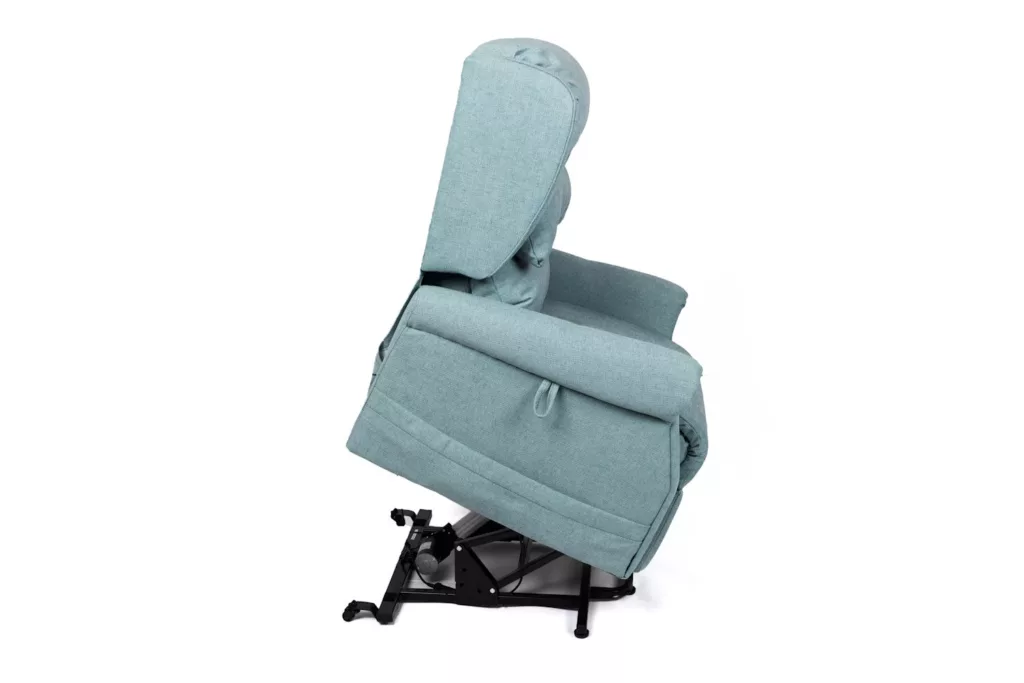
When looking for the best riser recliner chair for your needs, you will need to consider the size, style, and functionality.
Recliner chairs usually have either a single or dual motor, but what’s the difference between single and dual motor riser recliner chairs?
When choosing a riser recliner, consider the reclining position and mechanism:
The backrest plays a very important role in posture and comfort, especially if you are seated for long periods. There are several backrest options:

We all come in different shapes and sizes, so it’s important to check the weight capacity of your rise and recline chair.
How do you measure for a riser recliner chair? Getting the recliner chair measurements right is essential to ensure it fits you and the space in your home comfortably. Key measurements include:
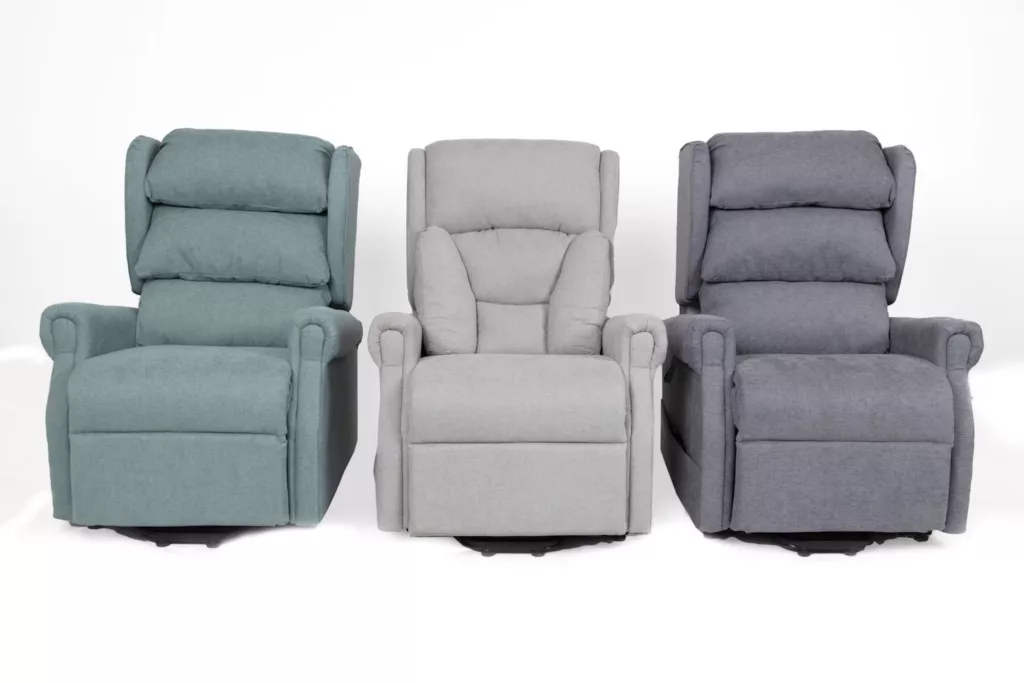
We hope this guide has given you some useful insights into what features to look for in a recliner chair.
At Monarch Mobility, we’ve taken everything above into account to design our Rise & Recline Chair, which includes:
View our Rise N Recline Chair today or speak to our mobility experts.
Popping out for an appointment, going shopping, or meeting friends shouldn’t be dependent on the weather. But if you are a mobility scooter user, it’s natural to worry about getting caught in the rain – and how moisture might affect your scooter..
The good news is that mobility scooters can be used in light rain – you just need to take a few precautions to limit water exposure.
Here are some expert tips for using your scooter safely and confidently in wet weather.
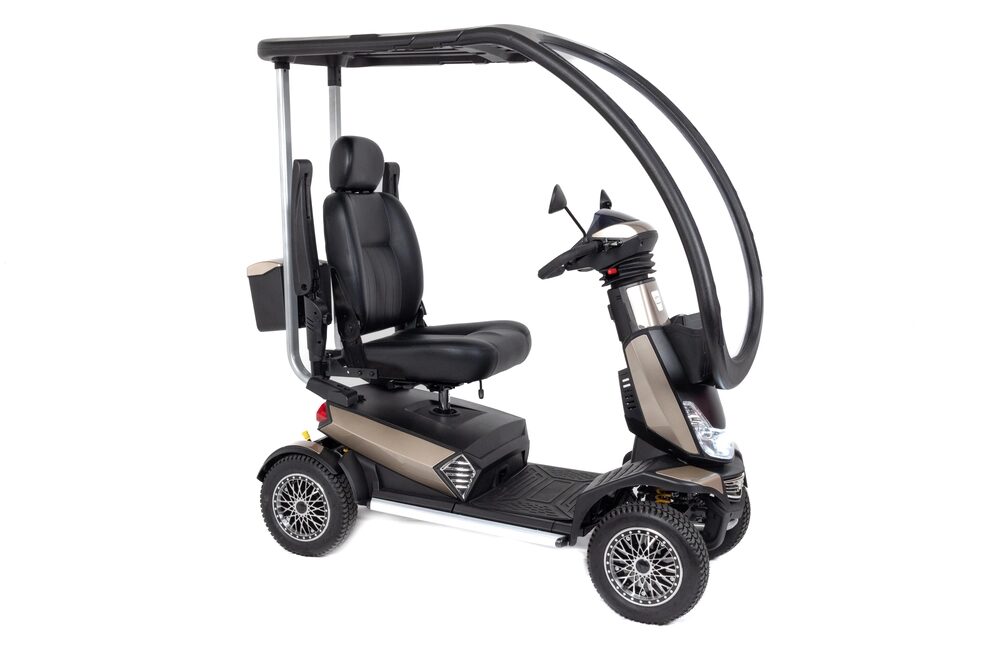
A question many people ask us is: “Is it okay if my scooter gets rained on?” The short answer is yes, but with care. While it’s best to avoid using your scooter in heavy downpours, sometimes you cannot avoid going out when the rain comes down.
Light rain typically won’t damage your scooter if you take steps to protect it – especially the electronics. Keeping your scooter covered and ensuring water doesn’t seep into key areas like the control panel or battery charging port will help maintain its performance.
Protect your mobility scooter from water damage with these simple steps:
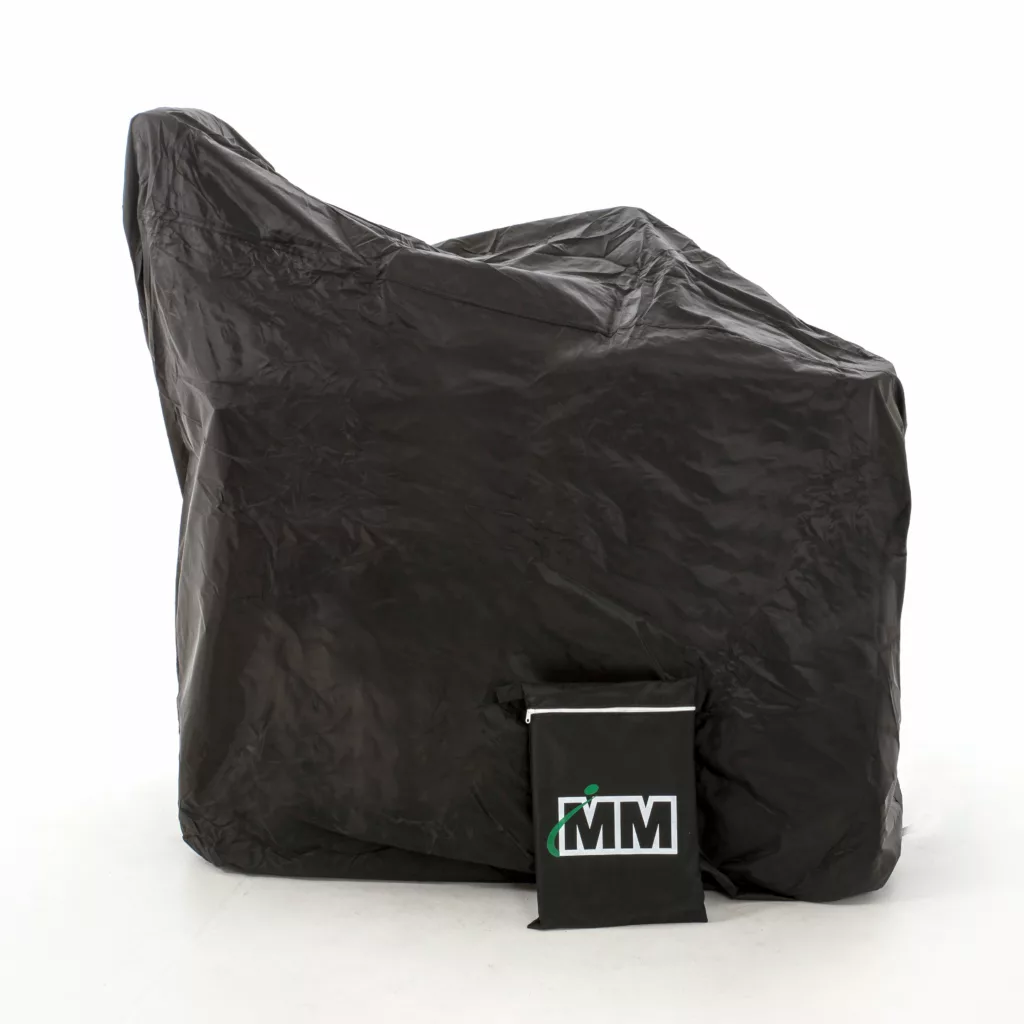
If you and your mobility scooter get caught in the rain, follow these steps:
At Monarch Mobility, we believe that a little rain shouldn’t hold you back. That’s why we offer a range of all-weather solutions — from mobility scooter rain covers to our fully road-legal Storm+ mobility scooter with a hard canopy.
Need advice on staying mobile come rain or shine? Speak to one of our friendly team members or request a free home demonstration today.
If you live with a disability, you could be eligible for disabled discounts on travel, entertainment, and other services. From disabled travel passes to free companion tickets and road tax discount for disabled drivers, there are many ways to save – if you know where to look.
With a disabled travel pass, you can enjoy free or reduced fares on travel across the UK. Whether it’s by rail, bus, or plane, there are various options designed to make transport more accessible and affordable, and give you more independence.
The Disabled Persons Railcard offers 1/3 off most rail fares in the UK for you and one companion. At just £20 for one year or £54 for three, it’s a great way to save on regular travel.
As well as discounts on rail travel for you and a companion, you can also get money off restaurants and hotels. What’s more, you can use your railcard at any time of the day!
You can apply for a disabled person’s bus pass across the UK, granting you free or reduced travel costs on local services. On some services a companion can also travel for free. Schemes run in England, Wales, Scotland, and Northern Ireland.
If you live in London, you may be eligible for a Freedom Pass, which offers free access to buses, tubes, and TfL Rail. To get a disability freedom pass. you need to live in London and have a statutory disability as listed in the Transport Act 2000.
If you have a disability or reduced mobility, you can request assistance from your airline at no extra cost. This usually includes getting help at check-in, moving through the airport, and boarding and disembarking. You can usually also choose your seat for free!
Discover more about travelling on public transport and planes with a mobility scooter.
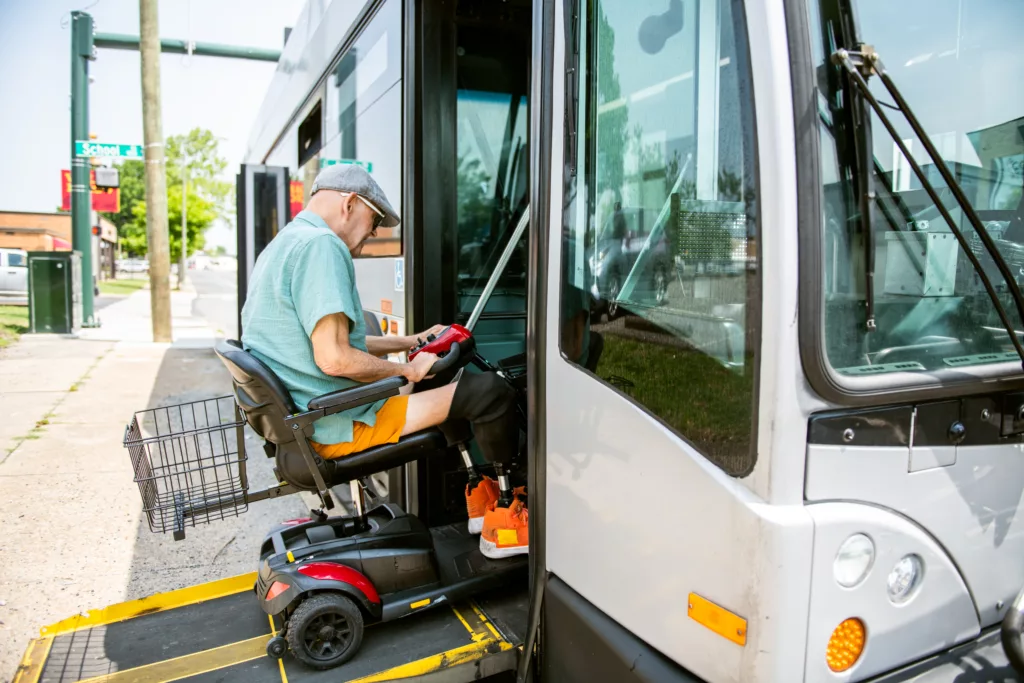
Driving can remain a convenient option for many people with disabilities, especially with the help of mobility aids. From easier parking access to road tax discounts for disabled drivers, there are several ways to reduce your travel costs while staying on the move.
The Blue Badge scheme allows access to disabled parking bays and often free or reduced parking. They last up to 3 years and cost £10 in England and Northern Ireland, £20 in Scotland, and are free in Wales. To apply for a Blue Badge, you’ll need to go through your local council. Be ready to provide a digital photo; proof of your identity, address and benefits; and your National Insurance number.
If you have a folding mobility scooter that you can lift into your car, it’s a great way to get about!
If you receive qualifying disability benefits like PIP, you may be eligible for a road tax discount for disabled drivers – either 50% off or total exemption. You’ll still need to tax your vehicle, though, even if no payment is required.
Find out if you qualify for vehicle tax exemption on the government website. You can claim your exemption when you apply for your vehicle tax.
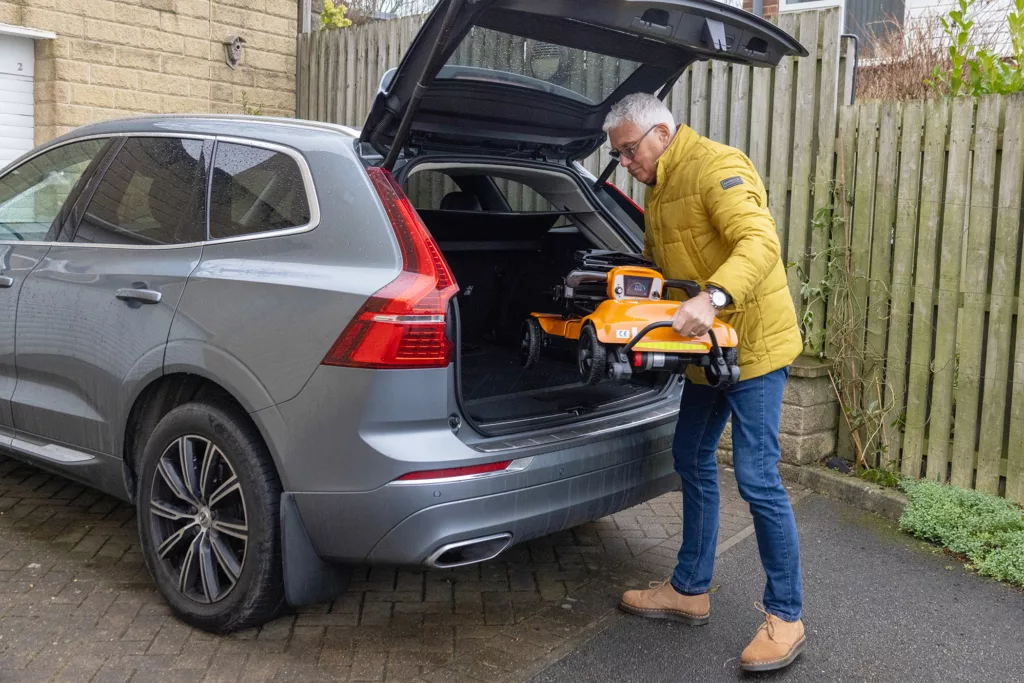
From theme parks, museums and live events, many entertainment venues offer discount passes for disabled visitors.
Several disabled discount cards are available in the UK, offering reduced cost and easy access on a range of days out. However, it’s always worth contacting the venue in advance to see if they offer any discounts for disabled visitors or their carers.
From theme parks, museums and live events, many entertainment venues offer discount passes for disabled visitors.
Several disabled discount cards are available in the UK, offering reduced cost and easy access on a range of days out. However, it’s always worth contacting the venue in advance to see if they offer any discounts for disabled visitors or their carers.
For £15, and valid for three years, the Access Card helps venues understand your access needs through easy-to-read symbols – like needing a wheelchair space or help with queuing.
A Radar Key provides access to over 9,000 locked accessible toilets in public areas like shopping centres and train stations. They’re available through local councils or can be purchased from Disability Rights UK for £5.
Purpl Discounts is a membership card scheme that secures offers for attractions such as the London Eye, LEGOLAND and Warwick Castle.
Your friend, family member, or carer may be eligible for a carer’s ticket, giving them free or discounted access when accompanying you on activities or days out:
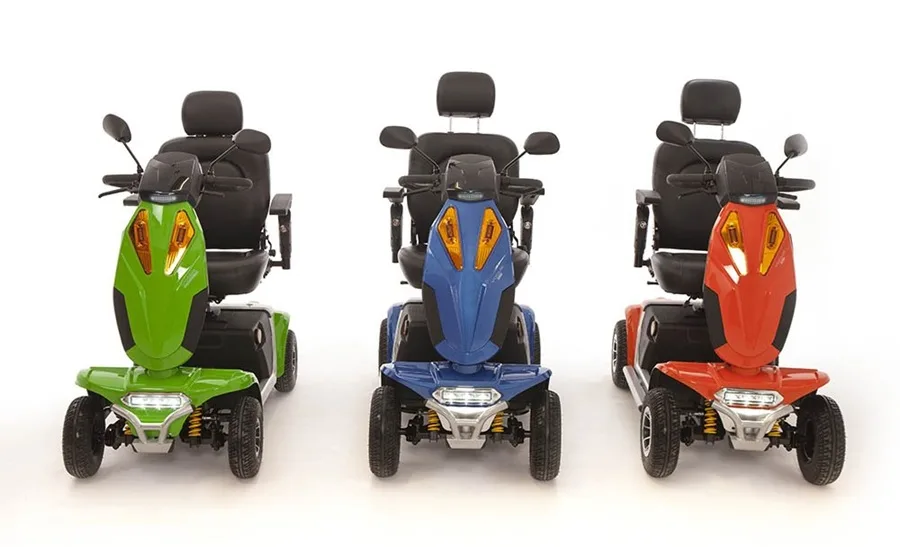
Whether you’re shopping, sightseeing, or hopping on public transport, Monarch Mobility is here to help you stay mobile.
Our range of foldable mobility scooters is perfect for bus, train, car, or plane travel – helping you enjoy a range of activities in comfort and with confidence.
Browse our mobility scooters or book a free home demo today!