
When something feels off with your mobility scooter, it helps to know where to start. A lot of common issues have straightforward fixes that any owner can handle, including charging habits, basic cleaning, and minor adjustments. Others need a trained eye and the right parts. Getting that distinction right keeps you safer and keeps your scooter performing the way it should.
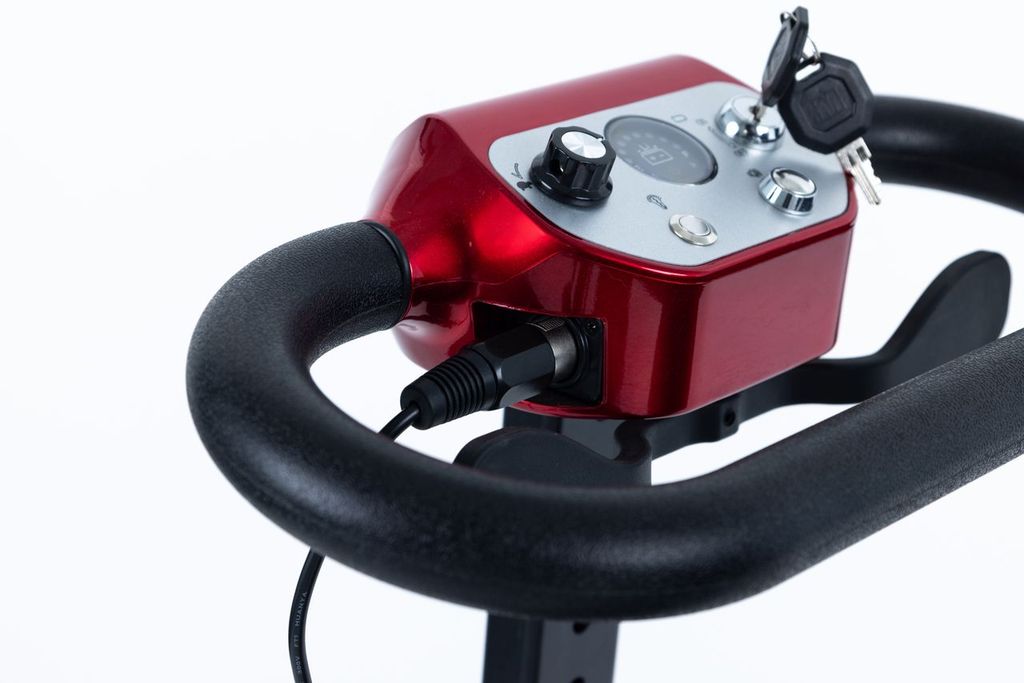
This guide covers the maintenance you can confidently handle yourself, how to charge a mobility scooter battery correctly, and a clear list of situations where picking up the phone and calling your dealer is the better move.
Start with the Owner’s Manual and Your Dealer
Before anything else: your owner’s manual is the most reliable reference for your specific model. Every scooter has its own specifications, charging requirements, and maintenance guidelines, and what applies to one model may not apply to another. If you didn’t receive a manual with your scooter or have misplaced it, your dealer is the first point of contact. They can provide documentation and answer model-specific questions directly.
Monarch Mobility products are sold and supported through an authorized dealer network. For anything beyond basic user maintenance, your dealer is the right starting point. They have access to model-specific information, parts, and the training to diagnose issues correctly.
How to Charge a Mobility Scooter Battery
Correct charging habits are one of the most important things you can do to maintain your scooter’s performance and extend battery life. All models in the Monarch Mobility range use lithium batteries. Lithium batteries have different care requirements than older lead-acid batteries, and following the right process makes a real difference over time.
A few straightforward practices to follow:
- Use the charger that came with your scooter. Using a third-party or incompatible charger can damage the battery or affect performance. If your original charger is lost or damaged, contact your dealer for a replacement.
- Charge after use, not on a fixed schedule. Lithium batteries do not need to be fully depleted before recharging. Topping up after a day’s use is a good habit.
- Avoid leaving the battery fully depleted for extended periods. If you’re not using the scooter for a while, store it with some charge remaining rather than empty.
- Charge in a dry, indoor environment. Avoid charging in damp conditions or in extreme temperatures.
- Check the battery indicator before heading out. Monarch Mobility scooters include a battery indicator. Getting into the habit of checking it before each outing helps you avoid being caught short on range mid-journey.
If your battery is not holding charge the way it used to, losing range more quickly than expected, or not charging at all, that’s a conversation for your local dealer rather than a DIY fix.
Basic Maintenance You Can Handle Yourself
There are a handful of routine checks and minor fixes that most scooter owners can manage without professional help. These won’t require tools or technical knowledge, just a little attention to the basics.
- Tire checks: Many Monarch Mobility scooters use solid, puncture-proof tires, which removes the need for inflation checks. However, it’s still worth inspecting tires periodically for visible wear or damage, particularly if you use the scooter on rougher surfaces regularly.
- Cleaning: Keeping your scooter clean extends the life of its components. Wipe down the frame, seat, and controls with a damp cloth. Avoid spraying water directly onto electrical components, the battery compartment, or charging port.
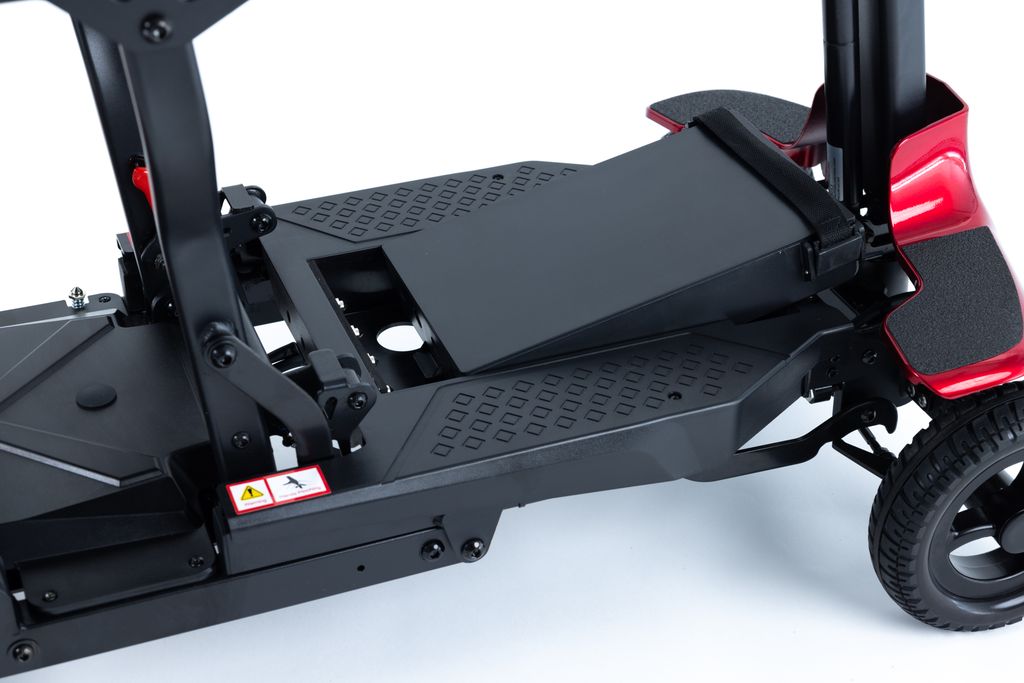
- Folding mechanism: If your scooter has a manual or automatic folding mechanism, keep it free of debris and check periodically that it operates smoothly. If it feels stiff or catches, don’t force it. Contact your dealer.
- Tiller and armrest adjustments: These are designed to be adjusted by the user. If an adjustment feels difficult or the component isn’t staying in position, have your dealer take a look.
- Loose visible fittings: If a non-electrical fitting such as a basket attachment or seat bolt feels loose, check whether it can be hand-tightened. If you’re unsure, ask your dealer before attempting any adjustment.
When to Call a Dealer
Some issues are straightforward enough to address yourself. Others aren’t, and attempting a repair without the right knowledge or parts can cause further damage or, more importantly, create a safety risk. Contact your dealer when:
- The scooter won’t power on and the battery is confirmed to be charged
- The battery isn’t charging or is losing range significantly faster than usual
- The scooter is making unusual sounds during operation
- The brakes feel unresponsive or inconsistent
- The tiller, controls, or display are behaving erratically
- The folding mechanism is stiff, catching, or not operating as expected
- The scooter has been in an impact or dropped
- Any electrical component shows visible damage
As an FDA Class II Medical Device, your mobility scooter is a piece of medical equipment, not a consumer appliance. Repairs to electrical systems, motors, brakes, and batteries should always be carried out by someone qualified to work on the specific model.
Frequently Asked Questions
How often should I have my mobility scooter serviced?
Service intervals vary by model and usage. Your owner’s manual will include manufacturer guidance, and your dealer can advise on a schedule based on how frequently you use the scooter and the conditions you use it in.
Can I replace the battery myself?
Battery replacement on lithium-powered scooters should be handled by a dealer to ensure the correct battery is fitted and installed safely. Using an incorrect battery can affect performance and may void any applicable warranty.
What should I do if my scooter stops working while I’m out?
If safe to do so, move to a stable position and check whether the battery indicator shows charge remaining. If the scooter won’t restart, contact your dealer for guidance. Having your dealer’s contact details saved in your phone before you head out is a practical habit worth building.
Where can I get my Monarch Mobility scooter repaired?
Monarch Mobility products are supported through an authorized dealer network across the US. Use the dealer locator to find a location near you for servicing, parts, and repair support.
Keep It Simple, Keep It Safe
Good maintenance habits, consistent charging, regular cleaning, and periodic visual checks go a long way toward keeping a mobility scooter running well. When something falls outside that scope, the right move is a call to your dealer rather than an attempt to fix it yourself. Explore the full Monarch Mobility scooter range if you’re also thinking about your next scooter.