
Every mobility scooter has a weight capacity, and it’s worth knowing before you compare models. Whether you’re looking for a high weight capacity scooter or a lightweight model that travels easily, understanding what the rating covers makes it simpler to find one that suits the way you get around.
Weight limits can look like a single number on a spec sheet, but there’s a little more to them once you know what they include and why they vary. Below, we’ll look at what a weight limit covers, how Monarch’s ratings compare, what shapes those ratings, and how to choose a capacity that fits your plans.
What a Weight Limit Covers
A scooter’s weight limit goes by a few names, including maximum user weight, weight capacity, and load capacity. They all describe the same thing: the highest load the manufacturer has rated the scooter to carry, based on how the frame, motor, and battery work together. The rating is meant to reflect safe, everyday riding, so it’s best treated as a firm limit.
That rating applies to the total load, which includes the rider plus anything that comes along for the ride. A week’s groceries, a stack of library books, or a jacket for later in the evening all count toward it, and so do add-ons like a front basket or a spare battery packed for a longer day. Most days those extras are small, but they’re worth keeping in mind when you’re carrying more than usual.
How Monarch’s Scooters Compare
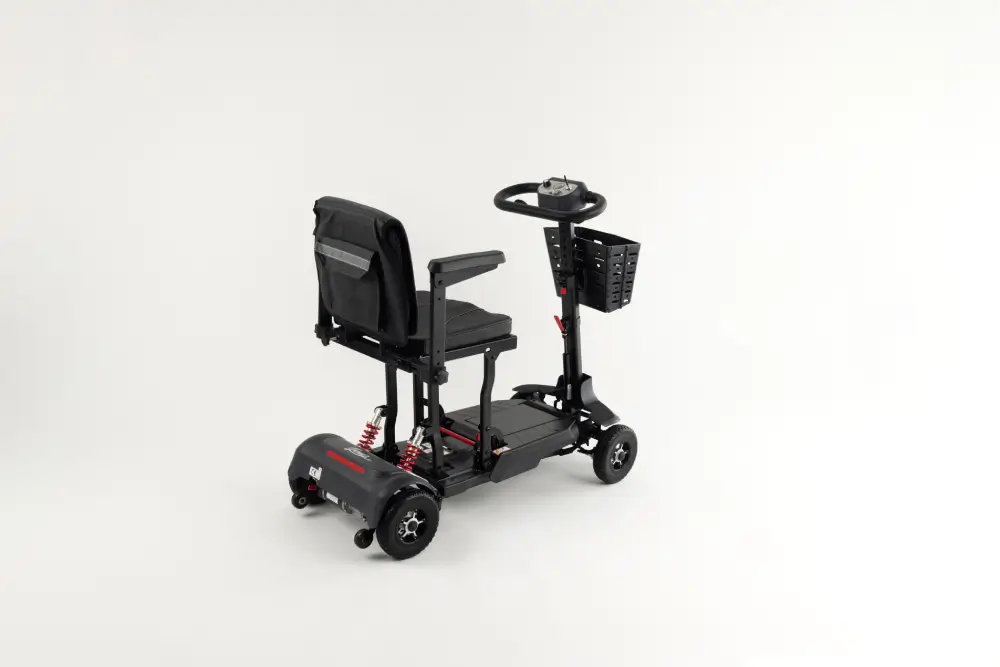
Monarch’s folding scooters, including the Genie, Genie Auto, Genie Ultralight, Smarti Plus, and Supa Carbon Lite, are rated for riders up to 275 lbs. They’re designed to be easy to lift and store, which makes them a good match for errands around town, trips in the car, and travel.
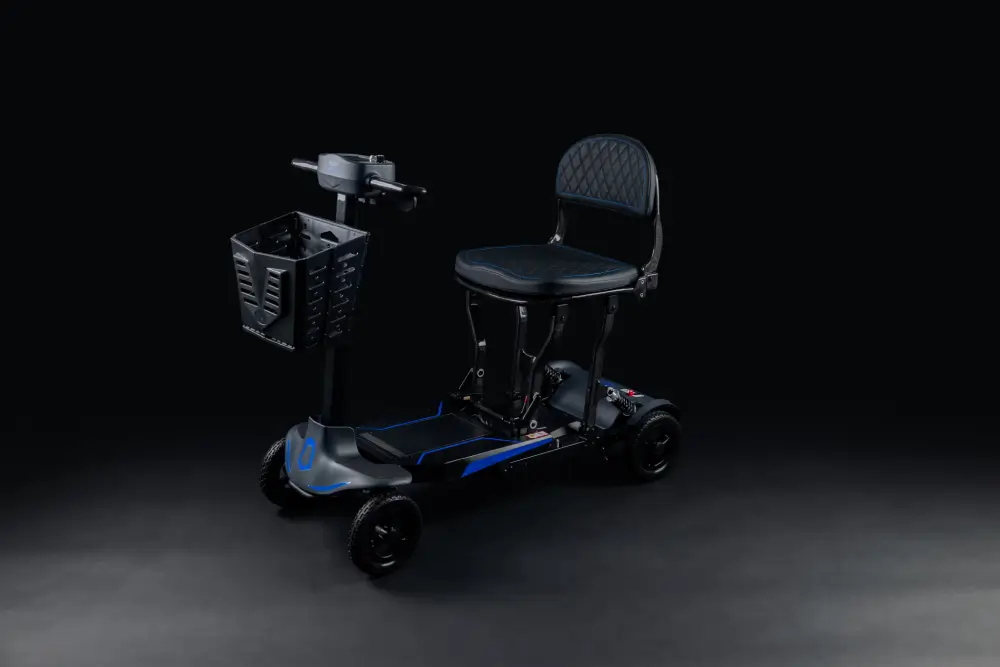
For a higher capacity, the Obsidian is rated for riders up to 450 lbs. It has a more powerful motor, a captain’s seat, and a top speed of up to 8 mph, and it’s built with longer outdoor outings in mind. Ratings can vary across a lineup, so it’s worth checking each model’s specifications on its own.
What Shapes a Scooter’s Rating
A weight rating reflects the whole design of a scooter. The frame, motor, wheels, and battery all have to work together under load, so scooters built for different purposes end up with different ratings. That’s also why two scooters that look similar can be rated for different loads.
Monarch’s folding models use lightweight frame materials, like the carbon fiber on the Supa Carbon Lite and the magnesium on the Genie, so they stay easy to lift, fold, and pack for a trip. The Obsidian has a larger frame, bigger wheels, and a 650W motor, which together support its higher rating. A higher-capacity scooter also needs a motor built to match, so the ride stays smooth under a larger load. Each design suits a different routine, and knowing what a scooter is built for makes its rating easier to read in context.
Choosing the Right Capacity
Once you know what a rating includes, choosing a capacity comes down to a few practical points:
- Start with everything the scooter will carry. That includes the rider, plus the bags, basket contents, and accessories that usually come along.
- Leave some room. Plans change from day to day, and a long morning at an outdoor market with a few bags on the way home asks more of a scooter than a quick trip to the post office. A rating with capacity to spare gives you flexibility for those fuller days.
- Think about the ground. Hills, grass, and longer distances ask more of a scooter’s motor and battery, and a little headroom in the rating helps the ride feel consistent from one outing to the next.
- Match the design to the routine. A folding model suits car trips and travel, while a heavy-duty model like the Obsidian suits longer rides close to home.
For a closer look at how capacity, terrain, and range work together on larger models, our weight capacity guide for heavy-duty scooters covers the details.
Lifting and Loading Your Scooter
Rider capacity isn’t the only number that matters when you own a scooter. If the scooter will ride along in the car, its own weight counts, too. Monarch’s folding models are built with lifting in mind, and the lightest, the Genie Ultralight, weighs 27 lbs without its battery. Each folding model’s battery lifts out separately, so the frame and battery can go into the trunk one at a time. Their product pages list each model’s weight, which makes it easy to compare them before you visit a dealer.
Car lifts have limits, too. For anyone who would rather not lift a scooter at all, the Atlas 4 portable car lift raises up to 88 lbs and is designed for lightweight folding devices, and a dealer can confirm which scooters and vehicles it works with.
Frequently Asked Questions
See Monarch Scooters at a Local Dealer
A scooter’s weight limit is one of the clearest ways to narrow down your options. When you’re ready to compare models, find a Monarch dealer near you to see scooters in person, ask questions about capacity, and get current pricing. Bring a list of the outings you have in mind, and a dealer can point you toward models with the right rating and design for them.